Why Small Restaurants in Asia, the Middle East, and Africa Should Invest in a Restaurant POS System
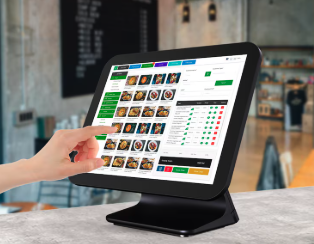
With the restaurant industry evolving rapidly, particularly in Asia, the Middle East, and Africa, small restaurant owners must adapt to new technologies to remain competitive. A restaurant point of sale (POS) system is no longer just a tool for processing transactions; it’s a vital asset that can enhance operations, improve customer experiences, and drive profitability.
Increased Operational Efficiency
A restaurant POS system streamlines numerous back-end operations. Here’s how:
- Order Management: Waitstaff can input orders directly into the system, reducing errors and speeding up the service. This is particularly crucial in busy markets where fast service can greatly influence customer satisfaction.
- Inventory Tracking: POS systems can help manage inventory in real-time. By monitoring stock levels and automatically alerting managers when items need restocking, restaurants can minimize waste and optimize purchasing practices. This is especially important in regions where certain ingredients may have limited availability.
Enhanced Customer Experience
In a competitive market, delivering exceptional customer service is key for small restaurants. A POS system facilitates this in several ways:
- Quick Transactions: Fast and accurate payment processing reduces wait times, enhancing the dining experience. Many systems now support mobile payments, which are especially popular in tech-savvy regions of Asia.
- Loyalty Programs: Built-in loyalty features allow restaurants to cultivate repeat customers by offering rewards or discounts based on customer purchase history. This can be particularly beneficial in cultures that value relationships and loyalty.
Insights and Analytics
Data-driven decision-making is crucial for small restaurants looking to thrive, especially in fast-growing markets.
- Sales Reporting: A POS system provides analytical insights into sales trends, customer preferences, and peak hours. This data can guide menu adjustments, promotional campaigns, and staffing decisions.
- Customer Preferences: Understanding what dishes are most popular can help in menu planning, ensuring the restaurant’s offerings align with customer tastes. This is vital in culturally rich areas where preferences can vary widely.
Scalability for Growth
As small restaurants grow, their operational needs evolve. A reliable POS system can easily scale to accommodate this growth.
- Multiple Locations: For restaurants looking to expand, many modern POS systems support multi-location management, allowing owners to oversee operations remotely.
- Feature Add-Ons: Many systems offer additional functionalities that can be integrated as the business grows, such as delivery management or advanced inventory solutions.
Cost-Effectiveness
Many small restaurant owners may worry about the initial investment in a POS system. However, the long-term savings and revenue generation opportunities can outweigh these concerns.
- Reduced Labor Costs: Streamlined operations often result in the need for fewer staff, providing significant savings on payroll.
- Error Reduction: Minimizing human error in order taking and payment processing can lead to higher customer satisfaction and repeat business, driving up overall revenues.
Local Adaptation and Cultural Nuances
It’s essential for POS systems to cater to the specific needs of restaurants in Asia, the Middle East, and Africa.
- Localization: Many POS solutions offer localization features, ensuring language and cultural considerations are met. This adaptability can significantly enhance user experience for both staff and customers.
- Multi-Currency Support: In areas where currency fluctuation is a norm, POS systems that support multiple currencies can facilitate smoother transactions and attract a broader customer base, including tourists.